When you sit down at a nine-handed table in Cairns, the pace changes the moment the blinds climb. Full ring poker rewards patience and position more than any short-handed setup, because every orbit gives you more information before you act. I’ve built slot volatility models and production schedules across Asia and Europe, and the same discipline that keeps a game loop mathematically sound also keeps a long table profitable: you don’t chase every hand, you wait for the spots where your range actually holds up. That mindset matters whether you’re grinding a local card room or scanning a digital lobby for your next session.
Reading the Full Ring Lobby Before You Buy In
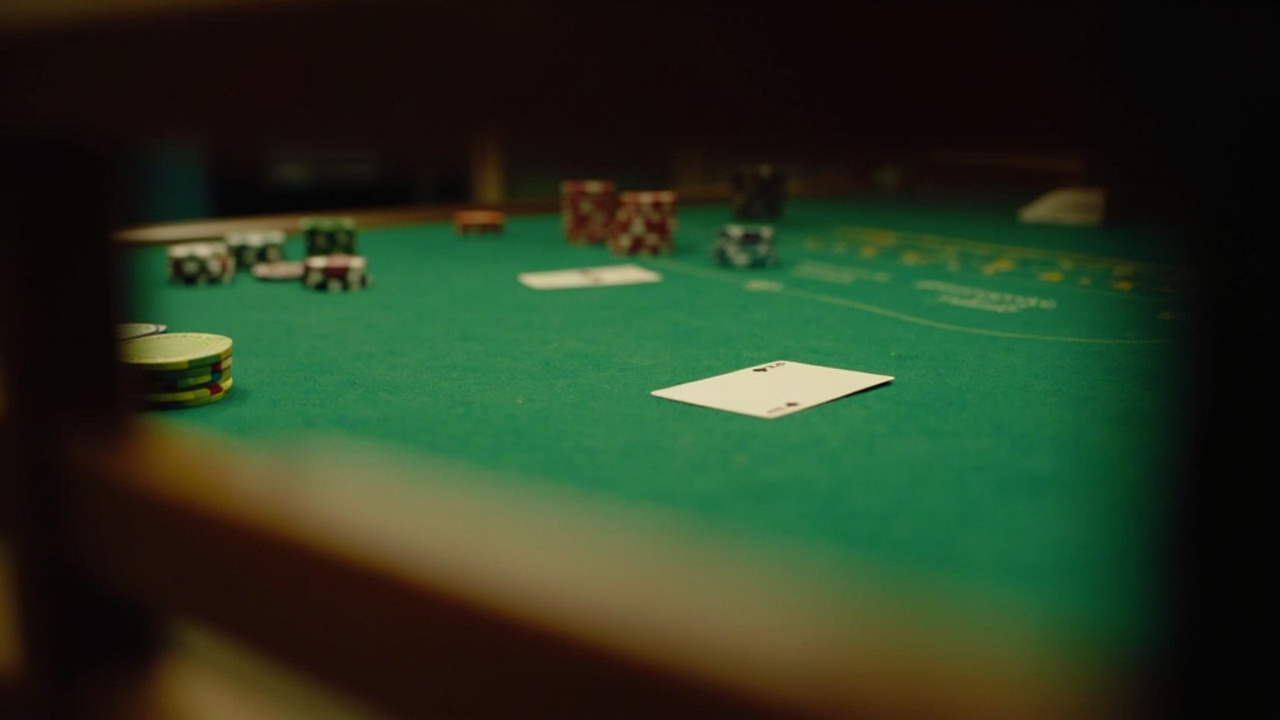
A proper poker full ring strategy starts before you post the blinds, because the lobby tells you what the room is actually offering. You want a mix of cash games, sit-and-gos, and a steady rotation of nine- or ten-handed tables so you can pick your stake without chasing action. In a well organised lobby, the table finder sorts by format, blind level, and player count, which saves you from clicking through empty seats just to find a full ring. I’ve led content teams that had to surface the right game from a crowded catalogue, and the same principle applies here: discovery should be fast, not a scavenger hunt. When the game mix leans too heavy on short-handed tables, you’ll burn through your bankroll faster than the maths justifies, so look for rooms that keep long-handed cash games visible rather than buried.Megaways Multihand Blackjack At Goldenbet Casino
The table and live content side matters just as much. A lobby that separates cash poker from tournament lobbies, and keeps provider labels clear, helps you judge whether the room is built for grinders or for quick, promotional play. Upbeat jingles are engineered to feel celebratory, and that audio design can quietly push you toward faster decisions when you should be slowing down. I’ve seen production teams tune those cues to reward engagement, but in a full ring setting you want the opposite: a lobby that lets you compare stakes and seat availability without nudging you into a rush. If the search function returns mixed formats or hides the player count, you’re already working harder than the table requires.
| Detail | What to look for |
|---|---|
| Table formats | Nine- and ten-handed cash games visible alongside shorter formats |
| Lobby search | Sort by stake, blind level, and seat count without extra clicks |
| Provider mix | Clear labels for cash, tournament, and live table content |
| Game discovery | Fast filtering so you can pick a full ring seat before the orbit closes |
Position, Patience, and the Nine-Handed Orbit
Full ring poker is a game of accumulated information, and your position is the lever that turns that information into value. At a nine-handed table, the button and cutoff see more flops and control more pots, while early position hands need tighter ranges because you’re acting before most of the table. That sounds obvious until you watch players overplay suited connectors from the small blind because they’re used to six-max aggression. The maths is straightforward: every extra player behind you adds variance and reduces your edge on speculative hands, so a solid poker full ring strategy folds more in early position and steals more on the late positions. I’ve applied the same kind of range modelling to slot paytables and bonus triggers, and the lesson is identical – the long game rewards the hands you actually want to play, not the ones that feel exciting in the moment.
Patience is where most casual players bleed chips. In a full ring orbit, you’ll see dozens of hands where folding is the correct play, and that’s not boredom, it’s bankroll management. A room see the full list that keeps blind levels reasonable and lets you rebuy without pressure gives you room to wait for premium spots. Grace Hughes, Lead Gaming Analyst, Tasman Gaming Partners, has noted that long-handed cash games tend to favour players who treat position as a filter rather than a suggestion, because the extra seats amplify the cost of marginal calls. That’s the kind of caveat worth hearing before you start testing hands against a table that’s already rolling. When you’re sitting in Cairns on a slow arvo and the table is busy as a weekend pub quiz, the right move is often to let the orbit pass and pick your spot on the next one.https://logincrocospins.com
Bankroll, Bonuses, and the Practical Exit
A poker full ring strategy only holds up if the money side doesn’t quietly undermine it. You want clear stake limits, sensible rebuy thresholds, and bonus terms that don’t punish folding or reward reckless volume. Some rooms offer deposit matches or cashback that sounds generous on the surface, but the real test is whether the terms fit a grinder’s rhythm or push you toward faster, higher-variance play. I’ve reviewed payment flows across multiple markets, and the rooms that work for serious players keep currencies and withdrawal paths straightforward rather than hiding them behind promotional language. Ella Fraser, Payments Strategy Director, Sunburnt Country Interactive, has pointed out that local payment options and transparent limits matter more than flashy bonus headlines, because a player who can’t move money cleanly will eventually chase the table to make up for friction. That’s a practical warning, not a slogan.

Mobile and support details round out the picture. A lobby that works on a phone is useful, but a full ring session demands stable seating, clear hand history, and support that can actually answer a stake or bonus question without sending you in circles. Evie Carter, iGaming Regulatory Consultant, Blue Gum Gaming Council, has cautioned that players should treat any room’s claims about safety and licensing as something to verify independently, because promotional wording can blur the line between marketing and compliance. That distinction matters in Australia, where offshore play is not licensed or regulated here, so you’re relying on your own judgment and the room’s published terms rather than local oversight. When the session turns against you, the best exit is a planned one: stop at your limit, review the hands where position mattered, and come back when the table and your head are both right. No worries about a slow run, but there’s no value in forcing a bad beat just to stay seated.